
2026 Interior Design Trends: Why Knowing the Trends Is Not Enough; and How to Apply Them Correctly
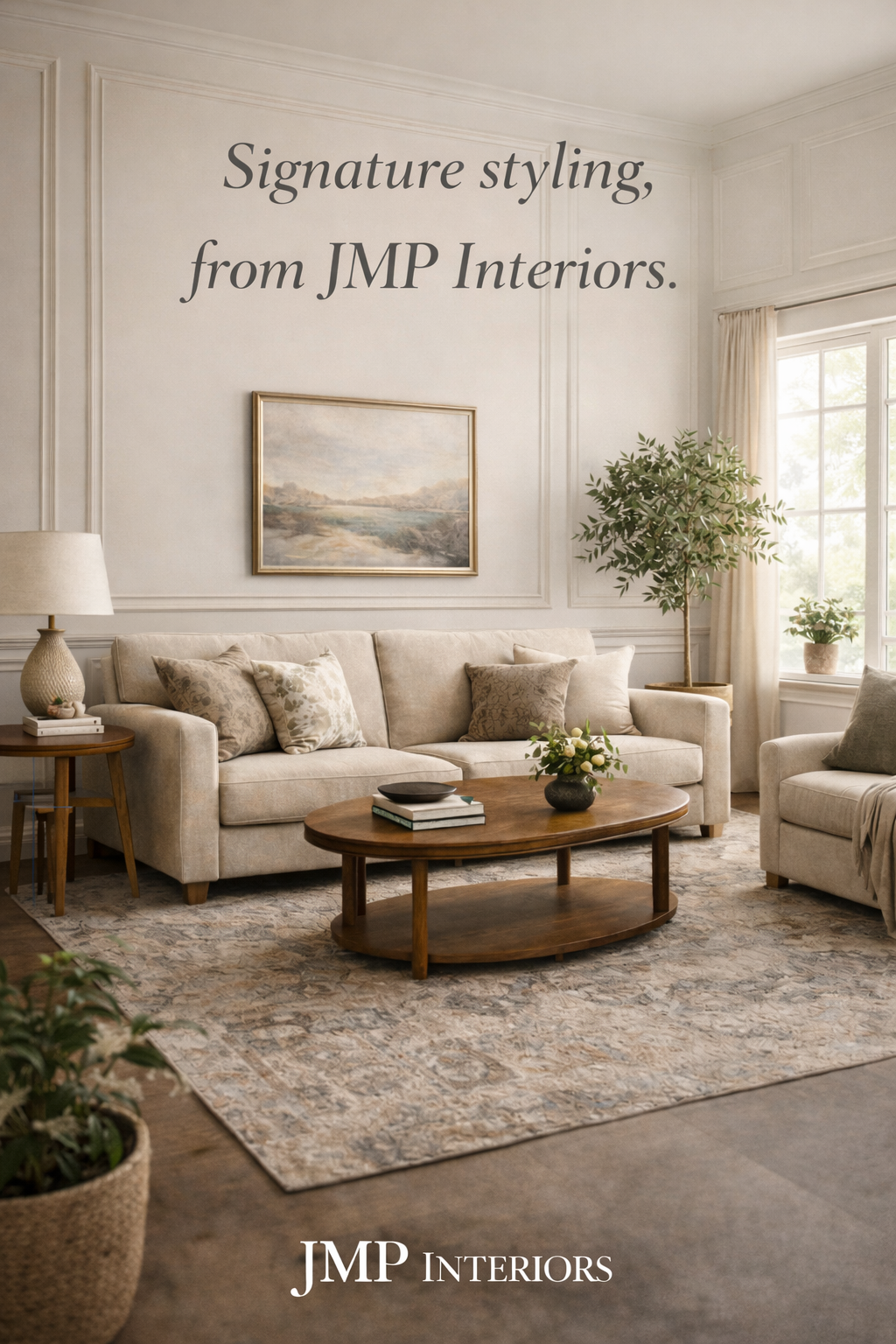
Design trends are not meant to complicate your home. When applied correctly, they enhance how a space functions, how it feels emotionally, and how long it remains relevant. Thoughtful design choices support daily routines, create comfort, and quietly increase long-term value. When trends are misunderstood or rushed into, however, they quickly become expensive decisions homeowners regret; choices that feel dated, disconnected, or “off” once the initial excitement fades.
This distinction has never mattered more than it does heading into 2026.
According to leading industry publications such as Architectural Digest, Houzz, Interior Design Magazine, Elle Decor, and Vogue, residential interiors are evolving in a clear and consistent direction. Homes are becoming warmer, more intentional, more expressive, and far more human. This shift reflects how people want to live now: grounded, comfortable, and connected to their spaces rather than overwhelmed by them.
What homeowners are rarely told, however, is this:
Industry forecasts are not instructions.
They are signals.
A trend forecast does not consider your ceiling height, your natural light, your existing finishes, your children, your pets, your work-from-home needs, or how long you intend to stay in your home. Pinterest boards, Instagram saves, and viral design moments capture beautiful snapshots—but they remove context. They show you what is possible, not what is appropriate.
That gap between inspiration and execution is where even the most well-intentioned homeowners make costly mistakes.
At JMP Interiors, our role is not to chase trends or recreate what you see online. Our role is to translate design trends into informed decisions that work for your specific home, lifestyle, and long-term goals. That translation process is also the reason offerings like Designer for a Day exist—to give homeowners clarity before they commit to choices that are expensive, permanent, and difficult to undo.
Below, I am breaking down the top 10 interior design trends for 2026, explaining how they actually show up in real homes, where homeowners tend to struggle, and why professional guidance is often the difference between confidence and regret.
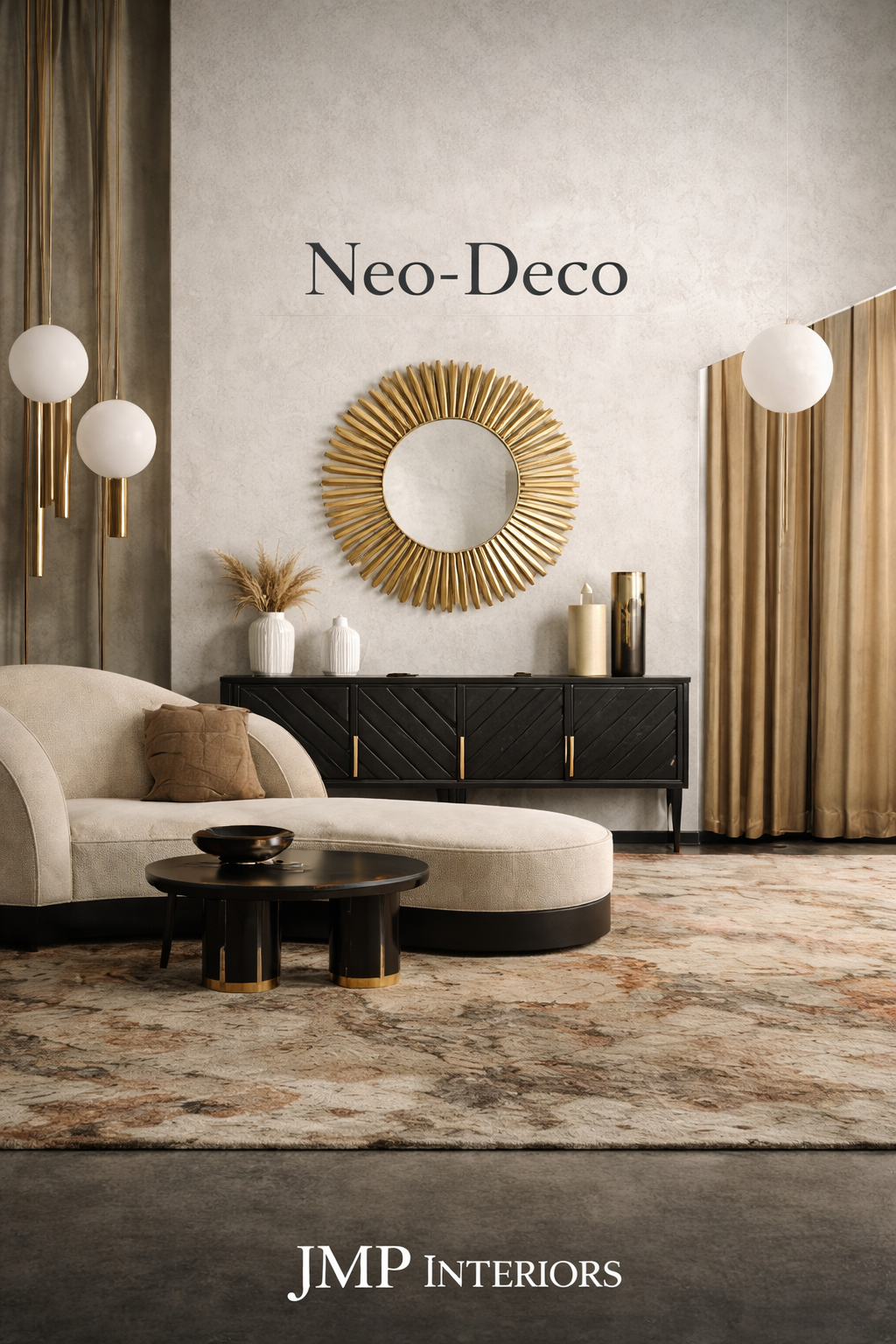
1. Neo-Deco: Subtle Glamour Without the Costume
Neo-Deco is returning in 2026, but not in the exaggerated, theme-driven way many homeowners fear. This is not about bold statements layered endlessly on top of one another or recreating a stylized period interior. Instead, Neo-Deco today is about quiet glamour—elegant, intentional moments that feel architectural rather than decorative.
In real homes, Neo-Deco appears through:
Sculptural or geometric statement lighting
Curved furniture with refined proportions
Thoughtful mixed metals such as brushed brass, aged bronze, or softened chrome
Rich materials like marble, fluted wood, lacquered finishes, or reeded glass
You might see this expressed in a curved kitchen island edge, a refined custom bar detail, or a single chandelier that grounds a dining room with presence rather than excess. The focus for this trend is not more, but a statement in timeless ways.
Where homeowners struggle:
Neo-Deco becomes overwhelming when too many elements compete for attention. Multiple statement fixtures, layered metallics, and heavy finishes can quickly feel theatrical instead of elevated.
How Designer for a Day helps:
In a focused session, we identify one or two architectural or decorative moments that bring sophistication and depth to the space. Everything else is intentionally edited. This restraint is what allows Neo-Deco to feel timeless rather than trendy.
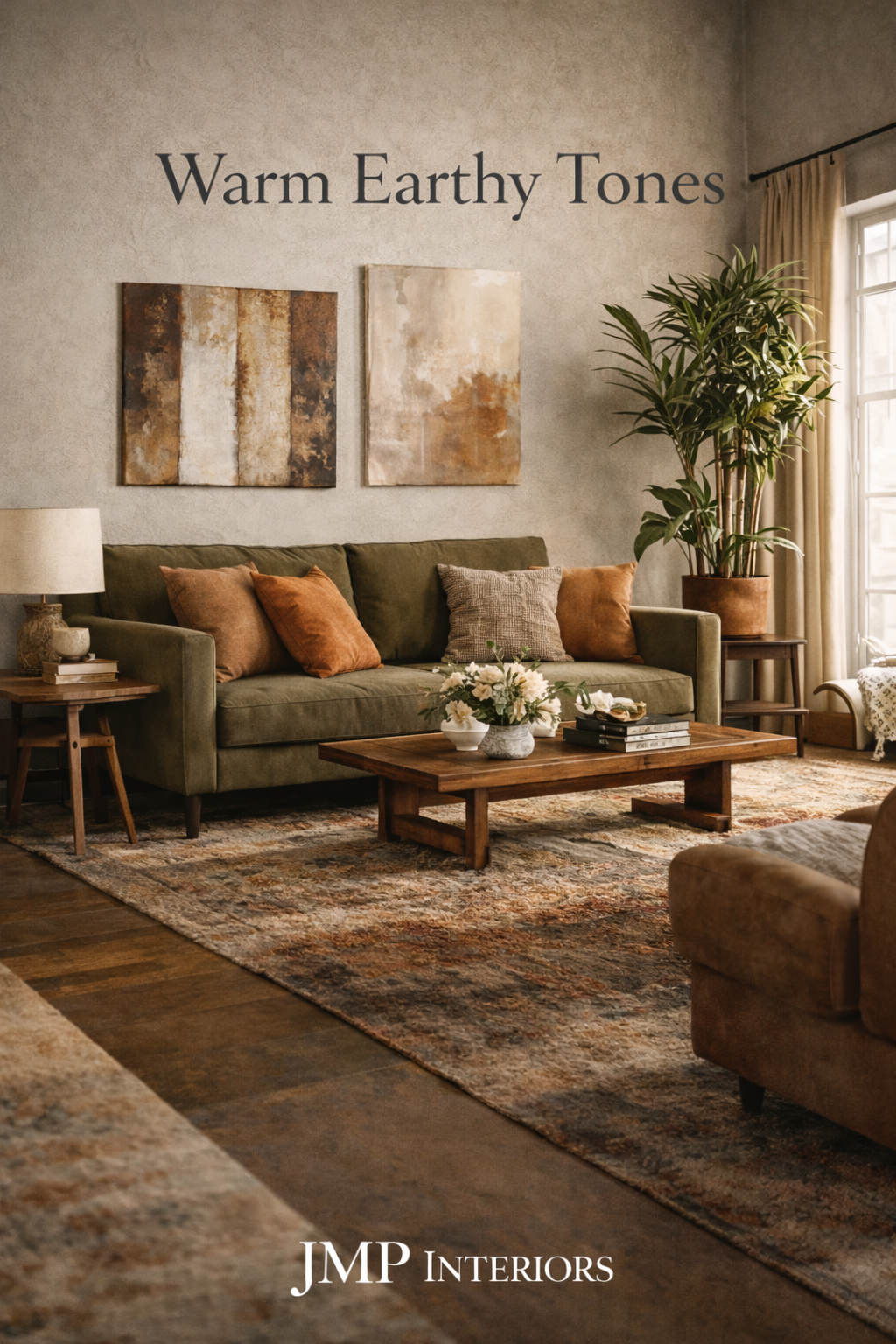
2. Warm, Earth-Driven Color Palettes Replace Stark Neutrals
The era of cool gray and stark white continues to fade. In 2026, color becomes warmer, deeper, and more emotionally grounding. This shift reflects a collective desire for comfort, familiarity, and spaces that feel supportive rather than sterile.
Homeowners are gravitating toward:
Mushroom tones and warm taupes
Clay, terracotta, and muted rust shades
Olive, moss, and botanical greens
Soft earthy golds and ochres
These hues are no longer confined to accent walls. They are appearing on cabinetry, ceilings, millwork, and upholstery; creating interiors that feel layered, enveloping, and calm. These tones can be both cool and warm. That is where it usually goes sideways for most homeowners; the subtle shift and difference between tones of color and how to select them correctly.
What often goes wrong:
Warm palettes reveal undertone conflicts quickly. The wrong shade can clash with flooring, countertops, or lighting conditions, making a room feel heavy or prematurely dated.
Designer for a Day advantage:
We assess light exposure, adjacent spaces, fixed finishes, and architectural details before recommending color. This prevents the all-too-common scenario of repainting multiple times to “fix” a color that was never right for the space.
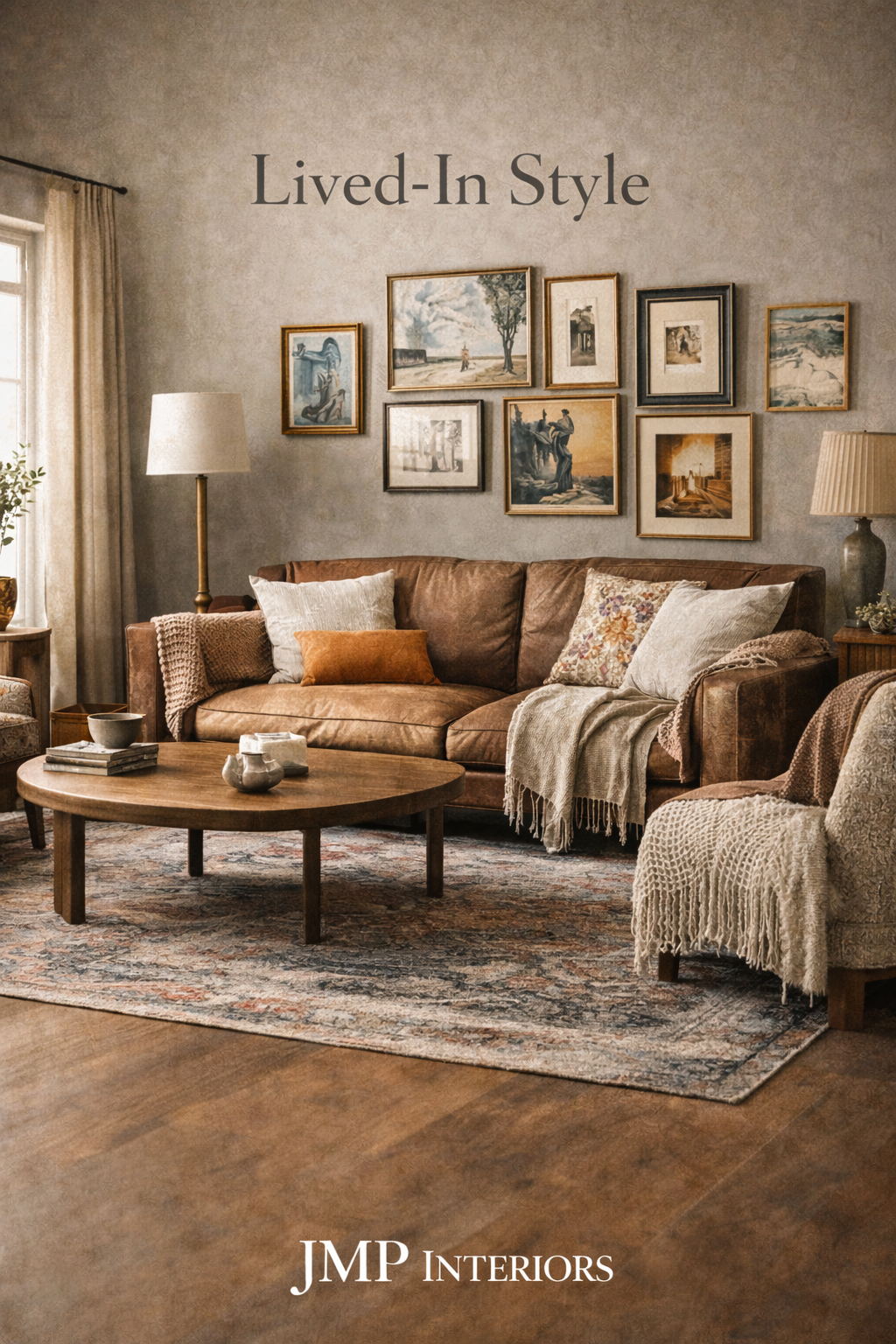
3. Lived-In, Personal Interiors Over “Perfect” Rooms
One of the most meaningful shifts of 2026 is the move away from spaces that feel untouchable. Luxury no longer means pristine or precious. It means personal, comfortable, and reflective of real life.
Homes are being designed to:
Support daily routines
Showcase meaningful collections
Balance beauty with comfort
Homeowners are mixing old with new, displaying art and objects with personal history, and designing spaces around how they actually live—not how they think a home should look. And I am here for it! I have been saying this for years, and I am so glad it has finally caught up to being a design intention instead of an afterthought.
Common misconception:
“Lived-in” means casual, unfinished, or less refined.
Professional reality:
True lived-in luxury requires more intention, not less. These types of spaces are harder to achieve without a skilled designer. Through Designer for a Day, we help homeowners curate what stays, what goes, and how to display personal pieces in a way that feels cohesive, elevated, and intentional rather than cluttered.
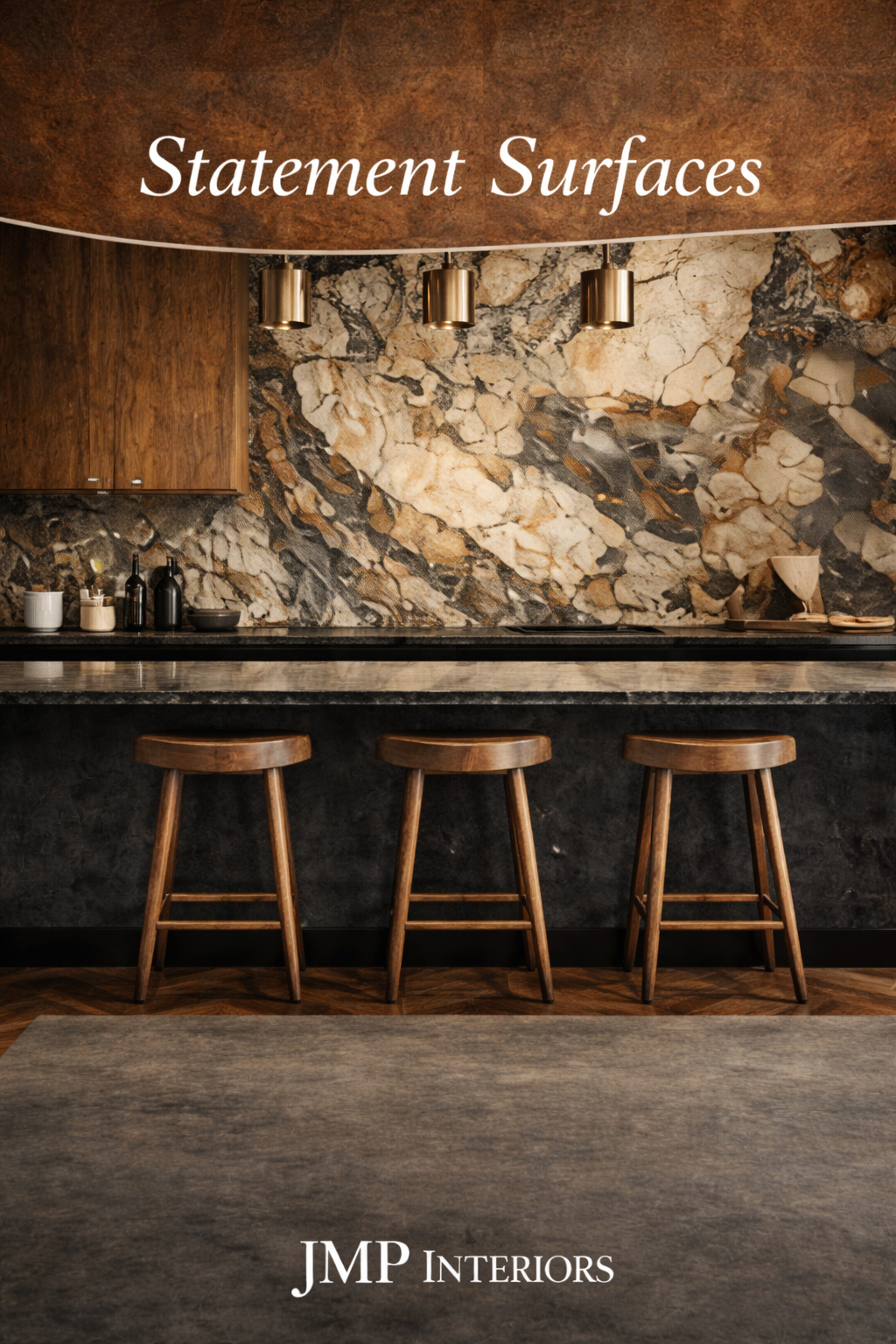
4. Statement Surfaces Do the Heavy Lifting
In 2026, surfaces are no longer background players. They are design features that carry visual weight and architectural interest.
This includes:
Dramatic stone countertops and full-height backsplashes
Plaster or limewashed wall finishes
Artisan tile installations
Statement fireplace surrounds
Instead of relying on accessories to add character, the materials themselves define the space.
Why guidance matters:
Surfaces are permanent. Trend-forward stone, tile, or plaster applications can date far faster than furniture or décor if chosen without restraint.
Designer for a Day solution:
We evaluate scale, veining, movement, color variation, and architectural compatibility before materials are ordered. This ensures the surface enhances the home rather than dominating it.
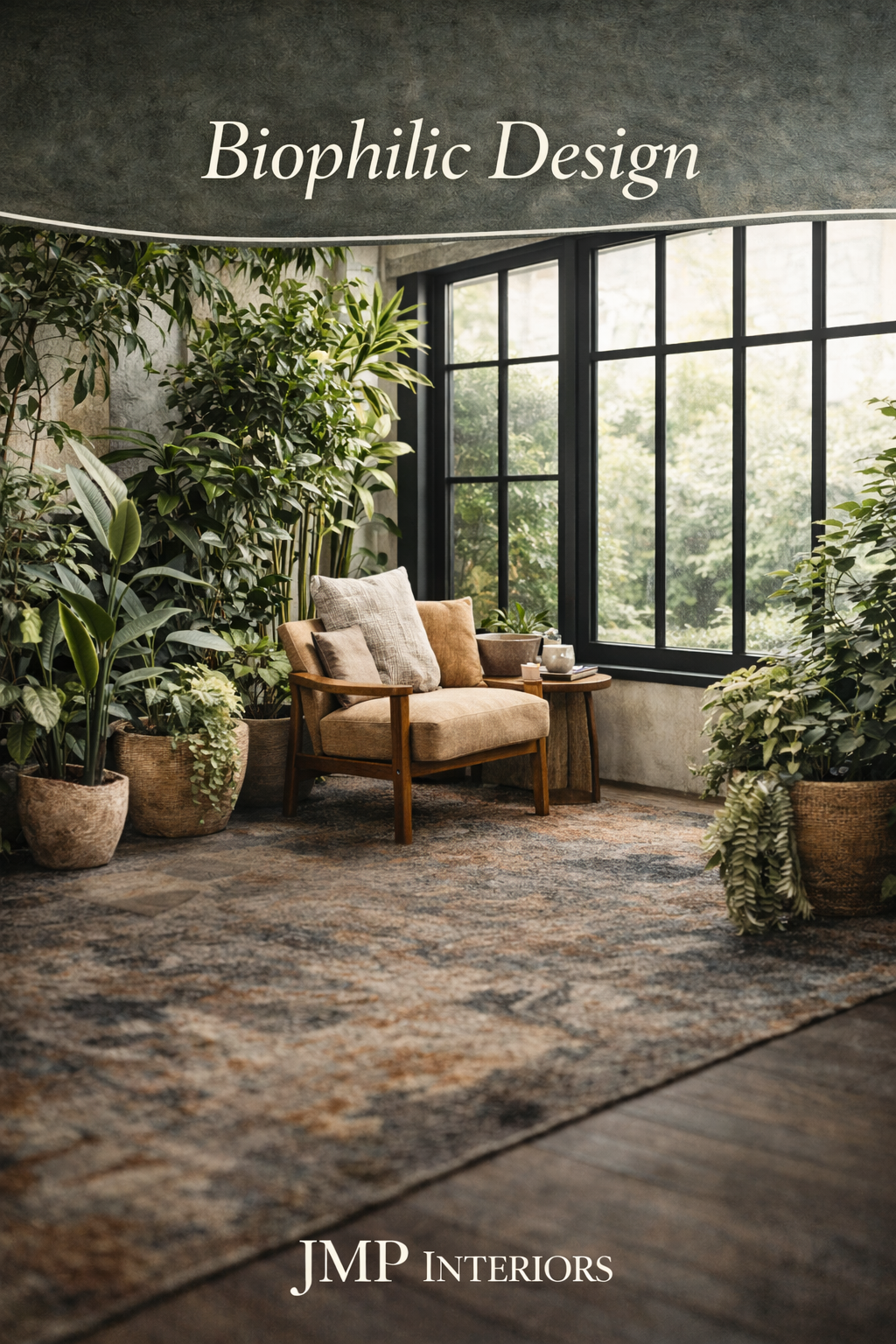
5. Biophilic Design and Wellness Integration
This one in particular really hits home for me. I need to be around plants, and nature or I feel off, personally. Wellness-driven design is no longer optional. In 2026, homeowners expect their homes to support rest, restoration, and overall well-being.
This shows up through:
Natural materials such as wood, stone, and linen
Layered lighting that supports circadian rhythms
Spaces intentionally designed for calm and recovery
Often, these changes do not require major renovations—just smarter decisions. Careful consideration of the way natural light moves through a home is the top observation for this trend. When considering wellness, we look at light, air movement, sound, color, texture, etc. We take into account all the senses and how our clients respond to each one in their spaces.
Designer insight:
Wellness is achieved through balance, not excess. We integrate biophilic principles subtly so the home feels restorative rather than themed or performative. This trend is highly personal and needs to be curated as such.
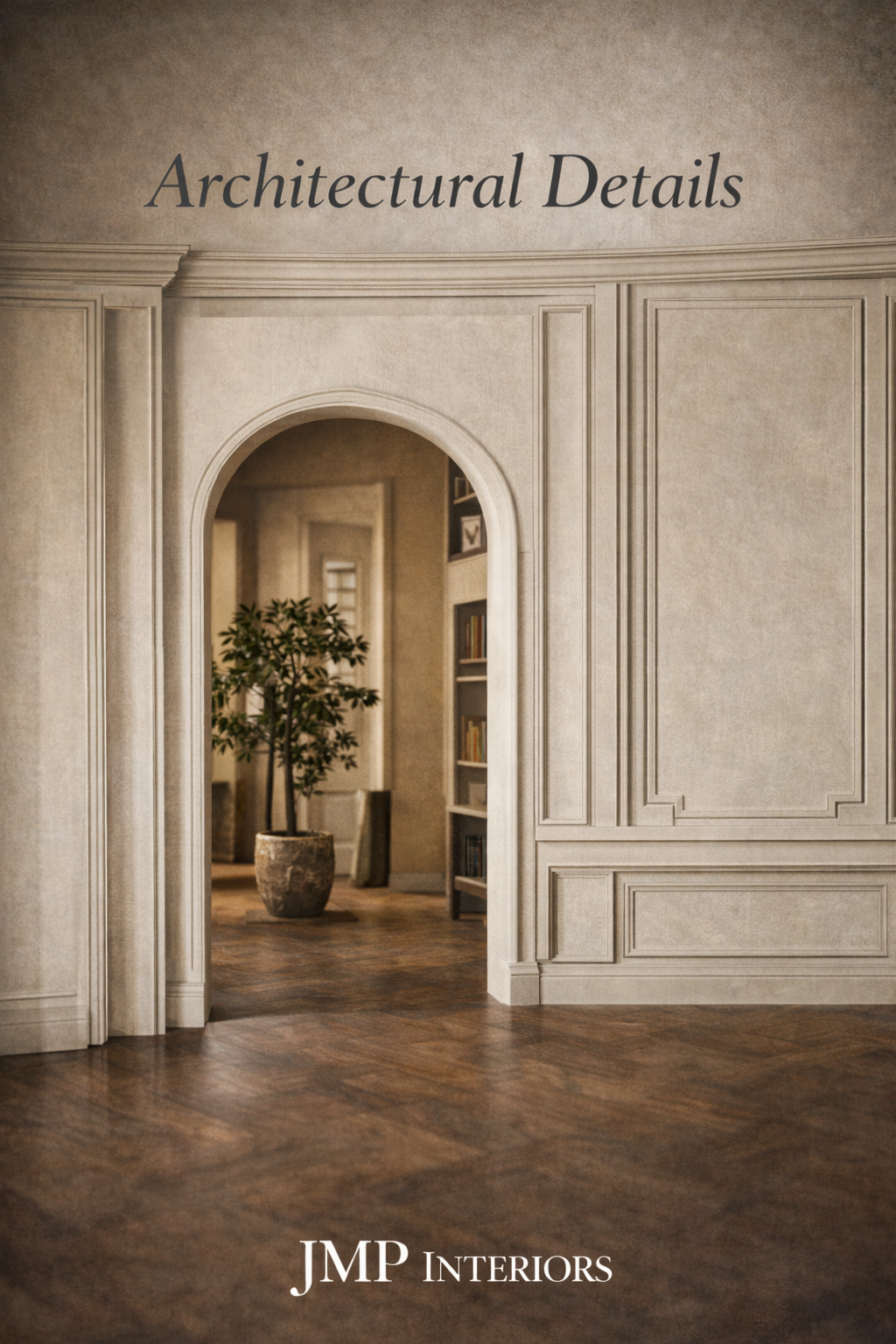
6. Architectural Detail Returns
Applied moldings, paneling, arches, and trim detailing are making a strong return, particularly in newer homes that lack character.
These details:
Add depth and dimension
Introduce craftsmanship
Increase perceived value
Why this trend matters:
Architectural detail creates a sense of permanence. It does not rely on décor to feel finished and continues to elevate a home even as styles evolve. For homeowners living in a development, this is a way to differentiate your interiors from others.
Designer for a Day use case:
We often sketch trim layouts, paneling concepts, or arch transitions during sessions so homeowners can move forward confidently with contractors. Contractors are able to give accurate estimates for labor time and costs because we account for all the drawing details. Plan views, sections, and elevations are created as the scope requires so everyone is on the same page.
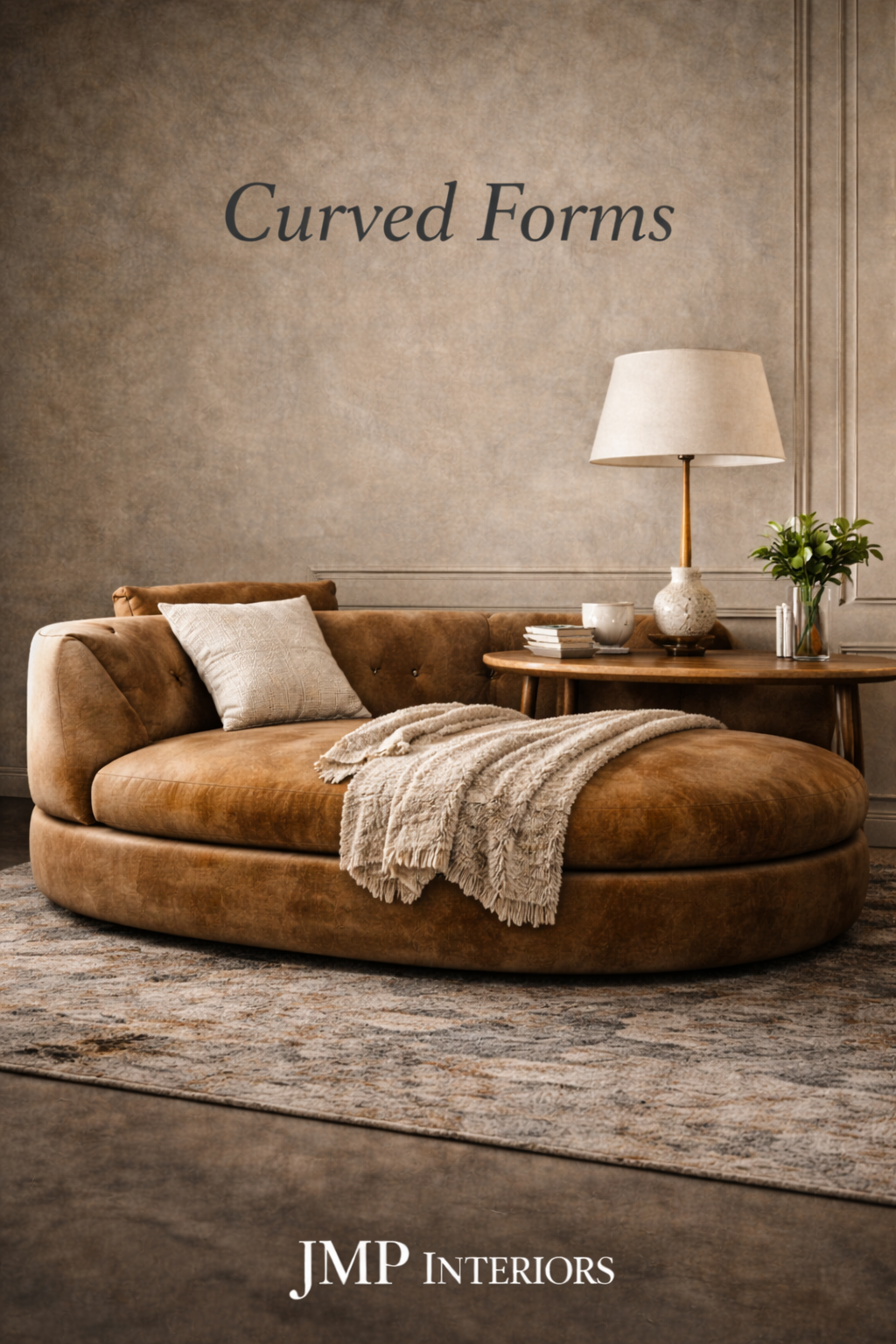
7. Curved and Organic Forms Soften Interiors
Curved and organic forms dominate 2026 for a reason. As homes move away from rigid minimalism, curves reintroduce comfort, flow, and a sense of ease that straight lines alone cannot provide. They soften architecture, improve circulation, and make spaces feel more welcoming and human.
In real homes, this trend shows up through:
Rounded seating silhouettes that invite conversation
Curved kitchen islands that improve movement and sightlines
Arched doorways and mirrors that soften transitions between spaces
Organic-shaped rugs, tables, and lighting that break up hard geometry
Even one thoughtfully placed curved element can rebalance a room dominated by straight lines, angles, and sharp corners—especially in newer homes where boxy layouts are common.
Where Homeowners Go Wrong
While curves feel intuitive, they are deceptively difficult to apply well.
Homeowners often struggle with:
Adding too many curved elements without balance
Selecting pieces that are too oversized or underscaled for the room
Mixing curved and angular furniture without a clear rhythm
Choosing curved pieces that disrupt circulation instead of improving it
Without strategy, curved forms can make a space feel disjointed or awkward rather than fluid. A curved sofa that blocks pathways, an island that crowds work zones, or arches that feel forced rather than architectural are all common missteps.
Why Professional Guidance Matters
Curves work best when they are intentional, not trendy.
Professional guidance matters because:
Scale determines whether a curve feels elegant or cumbersome
Circulation patterns dictate where curved elements actually improve flow
Curves must be balanced with straight lines to avoid visual chaos
Architectural curves differ significantly from decorative ones
Knowing where to introduce softness—and where structure should remain—is what separates a thoughtfully designed space from one that feels confusing or impractical.
How Designer for a Day Makes This Trend Work
This is where Designer for a Day becomes invaluable.
In a focused session, we:
Identify the single most effective curved element for your space
Evaluate circulation paths and furniture placement before selections are made
Balance curved and linear forms for visual harmony
Prevent purchases that look beautiful online but fail functionally at home
Rather than guessing or overcommitting to a trend, Designer for a Day provides clarity, ensuring curves enhance comfort, flow, and longevity rather than disrupting them.
The result: a home that feels softer, more inviting, and more intentional without sacrificing function or future relevance.
When applied with guidance, curved and organic forms bring warmth and movement to a home. When applied without strategy, they are one of the fastest ways a space can feel awkward or inefficient.
8. Multidimensional Color Techniques
Color in 2026 is layered, tonal, and immersive.
This includes:
Color-drenching walls, trim, and ceilings
Tonal layering using multiple shades of the same hue
Subtle contrast rather than stark separation
Risk without guidance:
Lighting dramatically affects perception. Without testing and refinement, bold techniques can feel flat or overwhelming.
Our approach:
We tailor recommendations to the conditions of the space so color feels intentional and enduring. You will start to see homes shying away from white as a trim color. There will be soft chalky colors, as well as the same wall color but in a different finish for the trim. Example: matte on your wall, eggshell on your trim but all the same color.
9. Curated Eclecticism and Vintage Influence
One of the most defining interior design shifts of 2026 is the move away from showroom-perfect spaces and toward homes that feel collected, layered, and deeply personal. FINALLY! This trend reflects a growing desire for authenticity—interiors that tell a story rather than perform for an audience.
Homes are no longer meant to look as though everything arrived on the same truck.
Instead, homeowners are gravitating toward:
Vintage and antique furniture with history and character
Artisan and handmade pieces that introduce texture and craftsmanship
Global influences, natural patinas, and materials that feel lived-in
A thoughtful mix of old and new that feels intentional rather than staged
When executed well, curated eclecticism gives a home soul. It creates warmth, depth, and a sense of identity that cannot be replicated through mass-produced furnishings.
But this is also where many homeowners struggle the most.
The Homeowner Challenge: When “Collected” Turns Into Clutter
Curated eclecticism is one of the most misunderstood trends of the decade. Read that again.
Homeowners often believe that adding vintage pieces or mixing styles automatically creates character. In reality, without a clear framework, this approach quickly leads to:
Rooms that feel visually busy or disjointed
Furniture pieces that compete rather than complement
Color palettes that drift without cohesion
A sense that the space feels unfinished rather than intentional
The difference between eclectic and chaotic is not taste—it is structure.
A truly collected home does not happen organically. It is designed with just as much intention as a minimalist interior, if not more.
Why Professional Guidance Matters
Curated eclecticism succeeds because of editing, hierarchy, and balance—not abundance.
Professional guidance matters because:
Scale determines which pieces anchor a room and which support it
Color harmony ensures vintage and modern elements coexist seamlessly
Negative space is just as important as what is displayed
Placement and spacing create rhythm and visual rest
Without a trained eye establishing these rules, homeowners often accumulate beautiful pieces that simply do not work together. The result is frustration, not fulfillment.
This is also the point where many homeowners feel stuck. They know they want their home to feel layered and personal—but they cannot see what needs to change or what should be removed.
How Designer for a Day Creates Effortless Cohesion
This is precisely where Designer for a Day becomes transformative.
In a focused, highly strategic session, we:
Evaluate your existing furniture, art, and collected pieces
Identify what should stay, what should be edited, and what is missing
Establish a clear visual hierarchy so the room feels anchored
Align scale, proportion, and color so eclectic elements feel cohesive
Guide placement to create flow, balance, and breathing room
Rather than starting over or purchasing more, Designer for a Day often helps homeowners do less—but do it better.
The result: a home that feels collected, confident, and deeply personal—without feeling cluttered or chaotic.
Curated eclectic interiors may look effortless, but they are the product of thoughtful decisions and experienced editing. When guided correctly, this trend creates some of the most timeless, emotionally resonant homes. When approached without structure, it becomes one of the fastest ways a space can feel unsettled.
If your home already holds pieces you love, but they do not quite work together yet; Designer for a Day provides the clarity to bring everything into alignment.
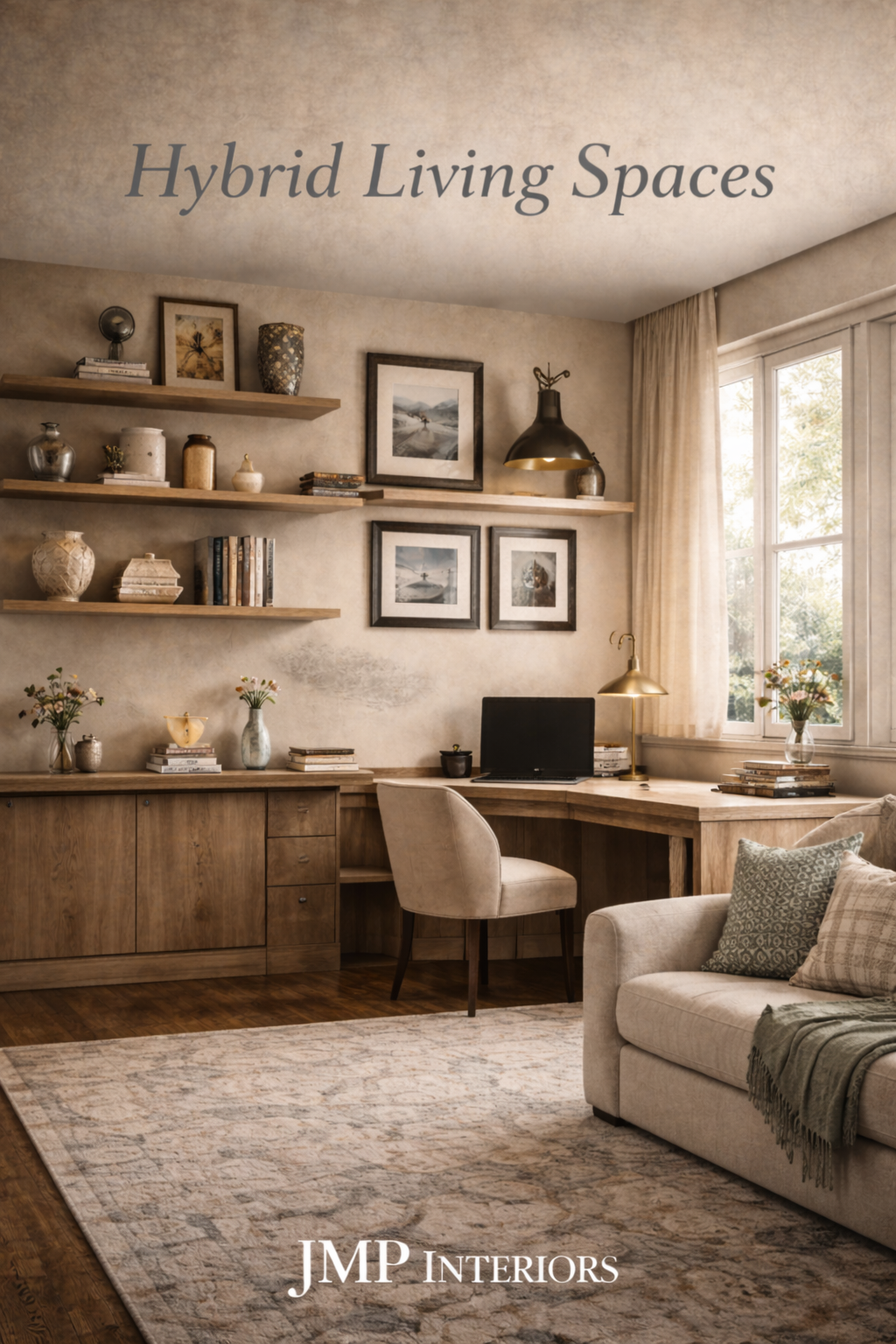
10. Flexible, Hybrid Living Spaces
Homes today are being asked to do far more than ever before. They must support work, rest, connection, privacy, and flexibility; often all within the same square footage. As lifestyles continue to evolve, the idea of rooms serving a single, static purpose no longer reflects how people actually live.
In 2026, this reality is reshaping interior design in a significant way.
Designers are intentionally creating:
Multi-purpose rooms that shift seamlessly throughout the day
Integrated workspaces that blend into living areas rather than disrupt them
Adaptable furnishings that respond to changing needs, not fixed labels
This trend is not about adding more space—it is about making better use of the space homeowners already have.
The Homeowner Pain Point: Rooms That No Longer Work
Many homeowners find themselves frustrated by rooms that technically exist—but no longer serve them well.
Common challenges include:
Dining rooms that sit unused most of the year
Guest rooms that double as storage or feel disconnected from daily life
Home offices carved out hastily during recent years that now feel intrusive
Open-concept spaces that lack definition and function poorly
The instinctive reaction is often to consider renovation or expansion. But in many cases, the problem is not the square footage—it is the layout, flow, and intention behind how rooms are being used.
Without guidance, homeowners may invest in renovations that do not solve the underlying issue, or purchase furniture that adds clutter rather than flexibility.
Why Professional Guidance Matters
Designing hybrid spaces requires more than squeezing multiple functions into one room. It requires a strategic understanding of:
Circulation patterns and sightlines
How furniture placement influences behavior and movement
Storage solutions that remain visually calm
How to maintain cohesion when a room serves multiple purposes
Without professional oversight, flexible spaces often feel compromised—neither fully functional nor visually resolved.
How Designer for a Day Reimagines Your Space
This is where Designer for a Day becomes invaluable.
In a focused, results-driven session, we:
Evaluate how each room is currently being used—and why it is not working
Identify opportunities to redefine function without structural changes
Recommend furniture layouts that allow spaces to transition easily
Integrate work zones, storage, and seating without visual disruption
Prevent costly renovations by uncovering smarter, more efficient solutions
Designer for a Day often reveals possibilities homeowners had not considered—solutions that maximize function while preserving comfort and aesthetic integrity.
The result: rooms that work harder, feel more intentional, and evolve alongside your lifestyle; without the expense or disruption of unnecessary construction.
Flexible, hybrid living spaces are not about compromise. When designed correctly, they are some of the most thoughtful and valuable rooms in the home.
If your space feels underutilized, overworked, or misaligned with how you live today, expert guidance is not optional. It is the fastest path to clarity.
Bringing 2026 Trends Home—With Confidence
Trends should clarify—not overwhelm.
At JMP Interiors, we help homeowners:
Decide which trends are right for them
Apply them in ways that feel timeless and naturally integrated
Avoid expensive, trend-driven mistakes
If full-service design is not yet on your timeline, Designer for a Day offers expert clarity fast.
One focused session can save you months of indecision and thousands in missteps.
When trends are translated correctly, they do not date your home—they elevate it. If you are ready to move forward with confidence, professional guidance is not a luxury. It is a safeguard.
Schedule your Designer for a Day session or consultation at jmpinteriors.com/contact